
How to Slash Summer Utility Bills with a Portable Air Conditioner (Without Triggering Ratchet Clause Penalties)
TL;DR / Quick Answer:
- The “Ratchet Clause” is Real: Many commercial utility contracts include a “ratchet” or demand charge. If you hit a massive peak in electricity usage (like turning on a giant Rooftop Unit during a heatwave), the utility company can bill you at that peak rate for the next 11 to 12 months, regardless of your actual usage.
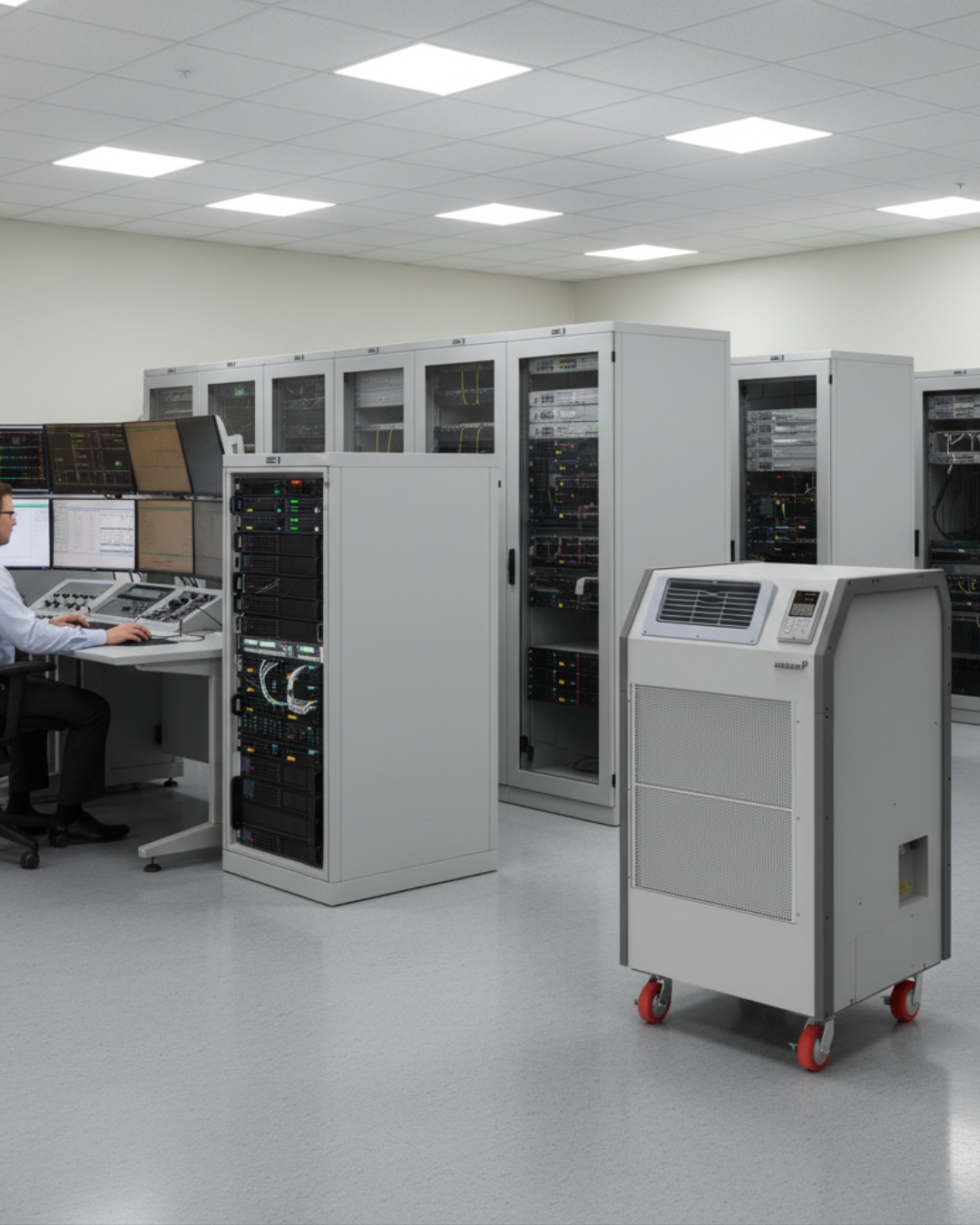
- Peak Shaving Strategy: Using portable AC units for “peak shaving” allows you to provide targeted cooling to hot spots (like server rooms or lobbies with a lot of windows) without crossing the high-power threshold of your central HVAC system.
- Financial Impact: Since demand charges can account for 30% to 70% of a commercial electricity bill, avoiding a single 15-minute spike can save thousands of dollars annually.
- Operational Efficiency: Portable units are economically superior for this specific task because they offer localized cooling with a significantly lower energy draw than a full building-wide system.
What is a “Ratchet Clause” and How Does it Inflate Utility Bills?
A Ratchet Clause or demand charge is a strict utility penalty that locks in your highest peak electricity demand and artificially inflates your power bill for the next 11 to 12 months.
When you turn on your building-wide HVAC system to combat a brief summer heat wave, it creates a massive “demand spike”. Utility companies penalize this sudden surge by charging you at that peak tier for the remainder of the year, regardless of your actual daily usage. Because demand charges can account for 30% to 70% of a commercial electricity bill, one unmanaged hot afternoon can devastate your annual budget.
How Do Portable Climate Solutions Prevent Massive Utility Penalties?
Deploying a portable AC allows you to execute a cost-saving strategy known as “peak shaving”. By using targeted portable climate solutions to supplement your cooling during the hottest hours of the day, you keep your main centralized system’s demand remarkably low. This prevents your facility from crossing the threshold that triggers peak utility rates. Instead of paying exorbitant fees for a brief spike, your overall energy consumption remains steady, ensuring your utility rates stay at the lowest possible tier all year round.
Why is a Portable Air Conditioner Economically Superior for Peak Shaving?
A portable air conditioner is the superior economic choice for peak shaving because it provides targeted, localized cooling without the massive energy draw of a central HVAC system. While we often discuss large-scale RTUs, here are three simple reasons why a portable AC unit out-performs traditional systems during peak-demand situations:
- Targeted Zone Cooling: Instead of cooling a 50,000 sq. ft. building just to keep one critical server room or office block at 70°F, you cool only the space that actually needs it. This allows your massive permanent system to stay off or run in a low-power state.
- Operational Flexibility for Sudden Heat: You only deploy the muscle when the outdoor temperature threatens your demand threshold. A portable AC unit can be rolled directly into a hotspot in a matter of minutes.
- Efficient Circuit Management: Many portable AC units can run on different circuits or temporary power sources. This spreads the electrical load, ensuring your primary meter never hits that dreaded peak threshold. Running a portable air conditioner might cost you an extra $50 in electricity this month, but it could save your company $5,000 to $50,000 in demand charges over the next year.
Featured Portable AC Units and Spot Coolers for Your Facility
To effectively shave the peak, you need reliable equipment. TEMP-AIR® Equipment Sales offers a vast lineup of industrial-grade portable climate solutions tailored to specific commercial needs:
- Airrex HSC-14R: This 1.2-ton spot cooler provides 13,600 BTU of cooling and operates on a standard 115V outlet. Best Application: Perfect for high-temperature work sites, auto repair shops, and small server rooms that need immediate, directed cooling.
- Airrex HSC-18R: A 1.5-ton portable heat pump that offers 16,800 BTU/h of both heating and cooling. Best Application: Ideal for busy office buildings, kitchens, or medical labs experiencing fluctuating seasonal temperatures in spaces up to 600 square feet.
- Airrex HSC-60R: A powerful 5-ton spot cooler that provides up to 60,000 BTU of cooling. Best Application: Built for massive industrial applications, large server rooms, and data centers facing severe overheating risks.
Secure Your Budget and Cool Your Space Today
Stop overpaying for seasonal demand spikes and protect your bottom line with strategic peak shaving. Contact Temp-Air Equipment Sales today to find the right portable cooling solution for your facility.
Click here to get a quote now or call us at 1-888-535-8841.
Frequently Asked Questions (FAQs)
Question: How much electricity does a portable air conditioner use compared to a central system?
Answer: A medium-sized portable air conditioner uses approximately 2,900 watts per hour, while an average central AC uses between 3,000 and 3,500 watts per hour. Using a portable AC unit saves money by “spot cooling” localized areas, allowing you to safely turn down your central system.
Question: What is the best way to use a portable AC unit to save money?
Answer: The best way to save money is to use a portable AC unit to supplement your central HVAC. By directly cooling high-heat zones like a server room, you prevent your central system from overworking, significantly lowering your overall energy consumption and avoiding costly peak demand penalties.
Question: Where should I deploy a portable AC unit in my facility?
Answer: Portable ACs should be deployed in localized hotspots that require immediate temperature control. Common applications include high-density data centers, manufacturing assembly lines, or office spaces undergoing temporary renovations, providing immediate relief without adjusting the entire building’s centralized thermostat.