
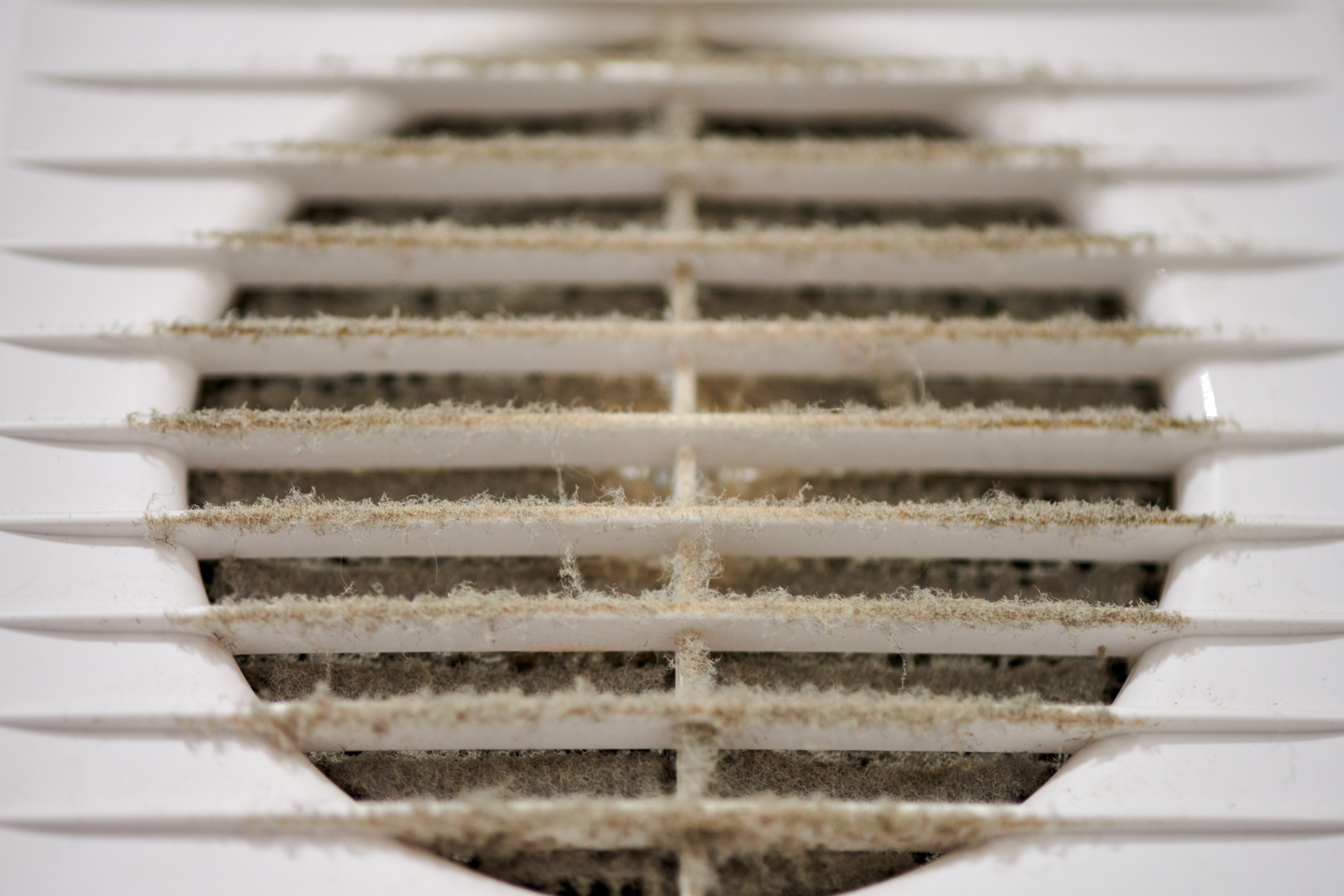
Warning! Are You Losing Millions to Poor Indoor Air Quality?
TL;DR: The High Cost of Poor IAQ
- Sick building syndrome is a direct result of poor indoor air quality (IAQ), where trapped VOCs, allergens, and pathogens cause occupants to suffer from fatigue, headaches, and respiratory issues.
- Chronic IAQ problems cost American companies an estimated $10 million annually in lost productivity, healthcare expenses, and building damages.
- The most effective, immediate solution is deploying portable air scrubbers equipped with multi-stage HEPA filtration to trap 99.97% of harmful particulates down to 0.3 microns.
Take a deep breath and consider this: Americans spend 90% of their time indoors, taking roughly 20,000 breaths each day in environments that are often significantly more polluted than the outdoors. This invisible threat circulating through your commercial facility isn’t just an environmental hazard; it is a financial drain. Let’s break down exactly how compromised air quality affects your workforce and what you can do to fix it.
What is Sick Building Syndrome and How Does It Impact Your Bottom Line?
Sick building syndrome (SBS) is a condition where building occupants experience acute health and comfort effects—such as headaches, severe fatigue, skin irritation, and brain fog—linked directly to time spent in environments with poor indoor air quality.
Coined by the World Health Organization (WHO) in the 1980s, sick building syndrome is a recognized public health and corporate liability issue. A healthy buildings report by the Harvard T.H. Chan School of Public Health demonstrates that chronic, poor IAQ directly leads to increased absenteeism and a measurable decline in cognitive function among occupants. Consequently, chronic indoor air pollution costs American companies an estimated $10 million annually to recover from lost workplace productivity, elevated healthcare costs, and associated building damages. When your air quality suffers, your employees suffer, and your revenue takes a direct hit.
Why Are Indoor Environments Often More Polluted Than Outdoors?
Indoor environments frequently trap volatile organic compounds (VOCs), dust, mold spores, smoke, and airborne pathogens, preventing them from safely dissipating.
Without adequate air cleaning and ventilation, commercial buildings essentially act as sealed reservoirs for these contaminants. Fine particles and aerosols are continuously released by common household products, cleaning chemicals, and furniture, rapidly degrading the indoor air. The American Society of Heating, Refrigerating and Air-Conditioning Engineers (ASHRAE) classifies IAQ as a broad public health issue and actively recommends utilizing effective air cleaning technologies to remove contaminants from recirculated indoor air.
How Can You Quickly Improve IAQ and Ensure ASHRAE Compliance?
To rapidly improve indoor air quality and align with ASHRAE standards, facility managers should deploy commercial-grade portable air scrubbers with multi-stage HEPA filtration.
Instead of committing to massive capital expenditures to overhaul an entire central HVAC system, simple plug-and-play remediation offers an immediate, highly effective solution. Portable air scrubbers, such as the Airrex by TEMP-AIR® Equipment Sales HEPA-2000P and the Abatement Technologies HEPA-AIRE® PAS2400, systematically clean, sanitize, and deodorize commercial spaces.
These units operate using a rigorous, multi-layered filtration process:
- Pre-filters: Capture and remove large airborne particles, such as dander, hair, lint, and heavy dust.
- HEPA Filters: Trap 99.97% of microscopic airborne particles down to 0.3 microns in size, actively neutralizing respiratory droplets, bacteria, and viruses.
- Carbon Filters: Absorb and neutralize mildew, smoke, VOCs, and chemical odors.
By deploying industrial air scrubbers capable of providing up to six air changes per hour in massive areas, businesses can mitigate all indoor air pollutants with close to 100% effectiveness, ensuring a safe, healthy environment for all occupants.
Protect Your Business Today
Don’t let poor indoor air quality cost your business another dollar in lost productivity or employee sick days. Protect your workforce, eliminate the risks of sick building syndrome, and ensure compliance with ASHRAE guidelines by partnering with TEMP-AIR® Equipment Sales.
Contact our expert team today at 1-888-535-8841 or click here to visit our website to secure the perfect portable air scrubber for your facility.
Frequently Asked Questions (FAQs)
Question: What is a HEPA filter and how does it work?
Answer: A High-Efficiency Particulate Air (HEPA) filter is a dense, pleated mechanical filter designed to capture at least 99.97% of airborne particles as small as 0.3 microns. It works by using a randomly arranged mat of fibers to trap microscopic pollutants—including viruses and bacteria—through diffusion, interception, and impaction as air passes through the unit.
Question: What causes sick building syndrome?
Answer: Sick building syndrome is primarily caused by poor indoor air quality, specifically the accumulation of volatile organic compounds (VOCs), dust, mold spores, allergens, and pathogens that remain trapped inside poorly ventilated commercial spaces.
Question: How do portable air scrubbers improve indoor air quality?
Answer: Portable air scrubbers pull contaminated air through a multi-stage filtration system, typically utilizing a pre-filter, a HEPA filter, and an activated carbon filter. This comprehensive process removes up to 99.97% of harmful particulates, odors, and viruses, exhausting clean, sanitized air back into the room.
Question: How much does poor indoor air quality cost businesses?
Answer: Chronic poor indoor air quality costs American companies an estimated $10 million annually. This massive financial impact is driven by building damages, increased healthcare costs, and severe losses in employee productivity and cognitive function.