
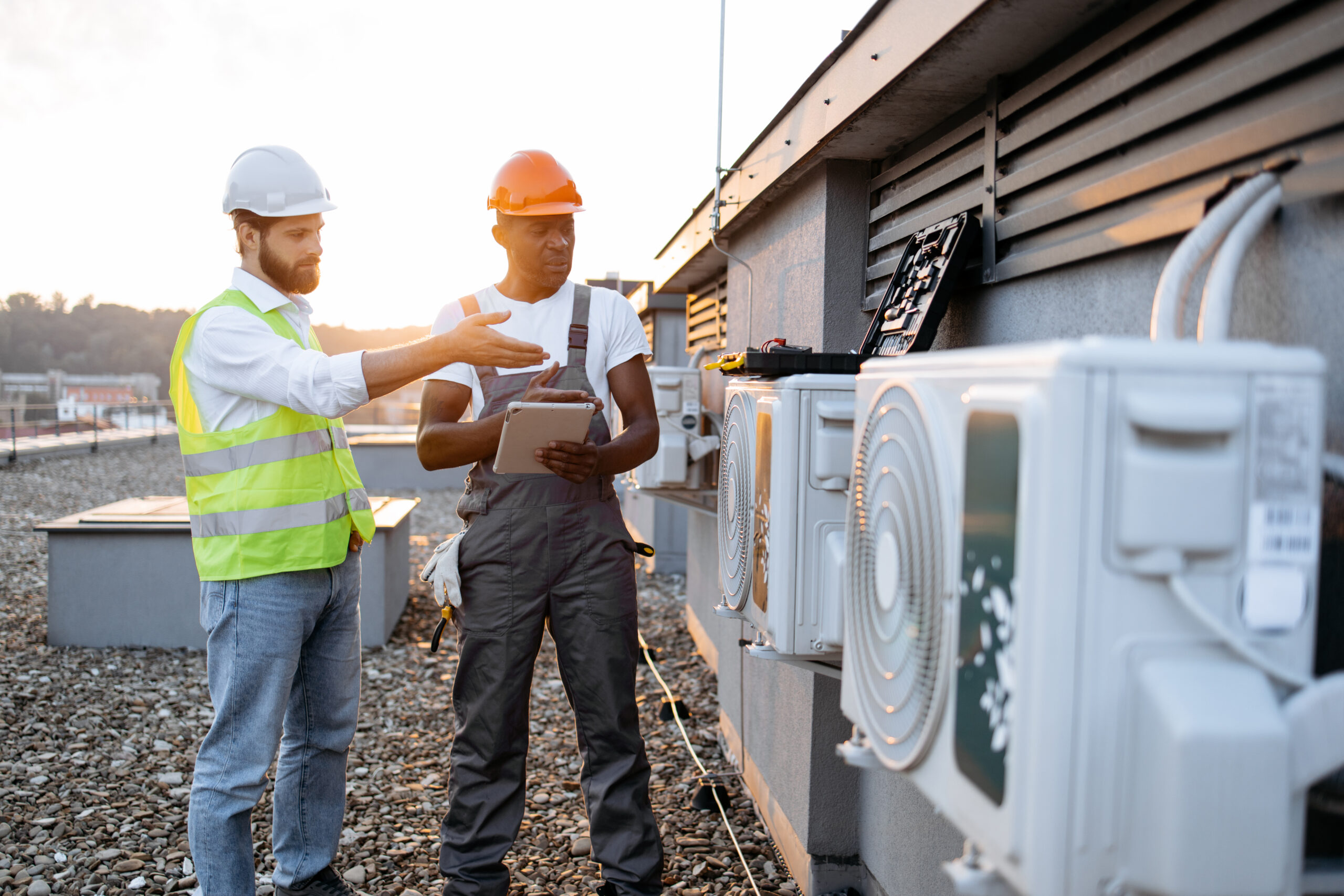
The Ultimate Guide to HVAC System Compliance for Commercial Buildings
TL;DR: Quick Answers:
Commercial HVAC system compliance involves adhering to strict ventilation, filtration, and maintenance standards set by ASHRAE and OSHA to ensure occupant safety and system efficiency.
- Reduces liability: Adhering to codes protects facility managers from legal risks and fines.
- Improves efficiency: Compliant systems run more efficiently, reducing your utility spend and extending equipment life.
- Protects health: Proper Air Changes per Hour (ACH) and HEPA/MERV filtration are critical for occupant safety.
- Portable solutions bridge the gap: Supplemental climate control from TEMP-AIR® Equipment Sales helps you meet strict air quality standards even during permanent system maintenance.
Warning! Are You Risking Costly Fines and Poor Indoor Air Quality Due to HVAC Non-Compliance?
Managing a commercial facility requires constant vigilance. Beyond just keeping the lights on, facility managers face the critical task of maintaining the invisible infrastructure that keeps occupants safe: your Heating, Ventilation, and Air Conditioning (HVAC) systems.
With standards evolving rapidly, particularly following updated guidance regarding airborne contaminants, you need to adapt quickly to ensure your building makes the grade without disrupting daily operations.
Why Do Commercial HVAC System Compliance and Regulations Matter?
Commercial HVAC compliance matters because it protects building occupants from poor indoor air quality (IAQ), temperature extremes, and airborne pathogens, while also preventing mechanical failure and reducing operational liability.
Just as a harness protects a worker at heights, adhering to HVAC codes protects the people inside your building. When an air handler falls out of compliance, it works harder to achieve less, driving up static pressure and energy consumption. For example, high humidity levels can lead to mold growth behind drywall, while poor ventilation causes CO2 buildup that leaves office workers lethargic and unproductive. Whether you’re managing a retrofit or maintaining an existing unit, using the right indoor air quality equipment is the first line of defense in preventing “sick building syndrome”.
Who Must Comply with Commercial HVAC Regulations?
Any commercial facility occupied by the public or employees must comply with HVAC regulations, with the complexity of these codes varying based on occupant vulnerability and foot traffic density.
- Healthcare: Hospitals face the most stringent requirements regarding ACH and filtration to prevent disease transmission and maintain sterile environments.
- Real Estate: Large-scale housing complexes must ensure ventilation meets specific codes to prevent moisture buildup and mold.
- Government Buildings: Local, state, and federal facilities require strict adherence to energy efficiency mandates.
- Education: Schools must balance high occupancy loads in classrooms with rigorous ventilation standards.
- Retail: Malls must manage highly variable occupancy loads without compromising consistent IAQ.
Who Determines HVAC Regulations for Commercial Buildings?
The American Society of Heating, Refrigerating and Air-Conditioning Engineers (ASHRAE) is the primary authority determining HVAC regulations, forming the basis for building codes across the U.S.
Additionally, OSHA, local building authorities, and the EPA shape the HVAC regulatory landscape. The EPA specifically provides indoor air quality guidelines and standards on pollutants. Generally speaking, if you’re adhering to the latest guidelines for indoor air quality, you’re on the right path to meeting local legal requirements.
What Are the Key HVAC System Regulations for Commercial Buildings?
The key commercial HVAC system regulations focus on three main pillars: ventilation rates, filtration efficiency, and system maintenance.
- Ventilation rates: You must bring in a specific volume of outdoor air to dilute interior contaminants, which varies based on the building’s use and square footage.
- Filtration efficiency: Systems must use filters that meet Minimum Efficiency Reporting Values (MERV). Higher ratings trap smaller particles but add resistance to airflow.
- System maintenance: Regular inspections of ducts, cooling towers, coils, and air handlers are mandatory to prevent Legionella and ensure dampers function correctly.
What is the Essential Equipment for HVAC Compliance?
Essential equipment for HVAC compliance includes portable air scrubbers, industrial dehumidifiers, and portable air conditioners to maintain safe air quality, humidity levels, and temperatures.
- Air Scrubbers: Essential for capturing airborne contaminants. The Airrex HEPA-2000P is an excellent choice for medical-grade filtration.
- Industrial Dehumidifiers: Critical for maintaining the 40-60% humidity “Goldilocks zone” required to inhibit viral growth and prevent mold.
- Portable Air Conditioners: Provide supplemental spot cooling to offset the heat load generated by increased filtration resistance or to maintain comfort during repairs.
Commercial HVAC System Compliance Checklist
To ensure your facility meets current ASHRAE standards—including updates regarding viral mitigation—use this step-by-step commercial HVAC compliance checklist.
- Increase outside air: Verify that your structure is introducing increased volumes of fresh air by calibrating economizers. Healthcare facilities must aim for a minimum of 2 ACH of outdoor air.
- Upgrade filters: Install filters rated MERV 13 at a minimum, ensuring there is no air bypass around the filter rack.
- Install sterilization tech: Implement UV-C lighting to combat contaminants within the HVAC duct and sterilize coils.
- Control humidity: Ensure your system can maintain relative humidity between 40% and 60%.
- Monitor temperature: Maintain standard comfort cooling to prevent thermal stress, keeping healthcare environments between 70°F and 75°F.
- Verify capacity: Confirm your HVAC system has the mechanical capacity to operate optimally with increased resistance from higher-rated filters.
What Are the Benefits of HVAC System Compliance?
The main benefits of HVAC system compliance include extending the lifespan of your equipment, improving indoor air quality for tenants, and building operational resilience against extreme weather.
Compliance often mandates cleaner coils and better filtration, preventing the buildup of debris that forces compressors to run at maximum capacity. By keeping the system compliant, you significantly reduce mechanical wear and tear, deferring expensive capital replacement costs. Furthermore, superior air quality is a competitive differentiator in the commercial real estate market, fostering tenant trust and satisfaction. Ultimately, a compliant facility operates within its design limits, ensuring business continuity instead of scrambling with emergency repairs during a heatwave.
Explore Commercial HVAC System Solutions from TEMP-AIR® Equipment Sales
If your audit reveals that your current system can’t meet the new ASHRAE guidelines, or if you need supplemental commercial air conditioning to handle increased loads during a retrofit, TEMP-AIR® Equipment Sales is your one-source solution.
Our team of product experts understands the challenges of maintaining healthy IAQ and can engineer cost-effective, compliant solutions. With 24/7 support and a massive inventory of portable climate equipment ready to ship, we are here to help you protect your people, equipment, and assets. Contact TEMP-AIR® Equipment Sales today at 1-888-535-8841, or visit our website to discuss your project needs and get answers from our experts.