
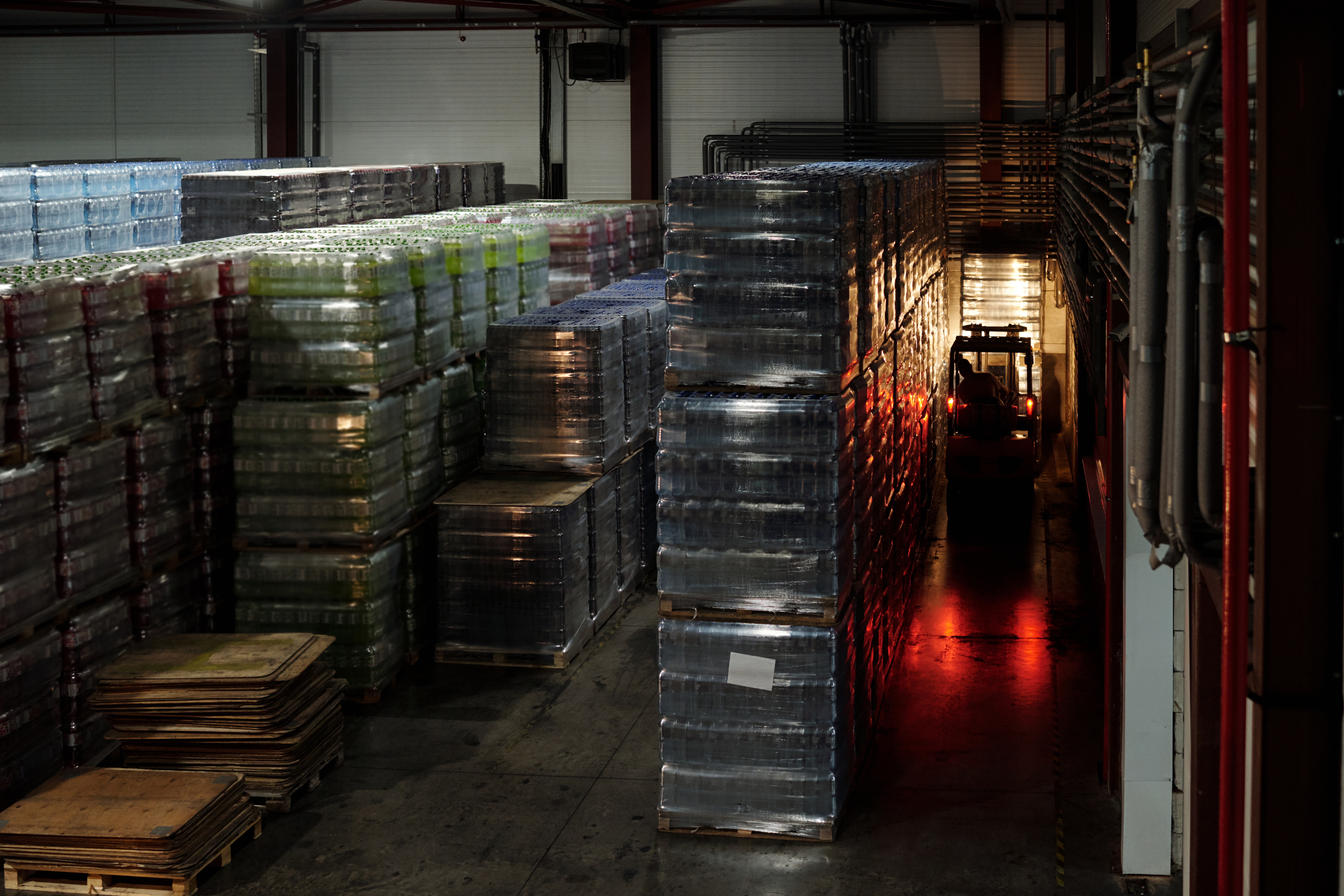
3 Mistakes Facility Managers Make When Fighting Warehouse Humidity
TL;DR: How to Properly Manage Warehouse Moisture
- Failing to control humidity leads to rampant mold growth, product deterioration, and dangerous indoor air quality in industrial spaces.
- The biggest mistake facility managers make is choosing the wrong extraction technology—specifically using low-grain refrigerant (LGR) units in freezing environments instead of desiccant dehumidifiers.
- Neglecting routine maintenance, such as monthly filter changes and annual coil cleanings, drastically reduces a commercial dehumidifier’s lifespan.
- Ignoring the effects of hard water leads to severe mineral buildup that disrupts moisture extraction and damages the unit.
The Cost of Unchecked Humidity in Industrial Spaces
Unchecked humidity in a warehouse is a silent profit killer. When moisture levels rise, you are not just dealing with uncomfortable, sticky air; you are risking rampant mold growth, compromised inventory, and thousands of dollars in structural damage. While deploying a commercial dehumidifier is the right defensive move, many building operators unknowingly sabotage their own climate control efforts. Here is a breakdown of the three most costly mistakes facility managers make when fighting warehouse humidity, and exactly how to solve them.
Mistake 1: Choosing the Wrong Dehumidifier Technology for Your Climate
One of the most costly mistakes facility managers make is deploying a low-grain refrigerant (LGR) dehumidifier in a freezing climate or utilizing a desiccant unit when standard cooling extraction would suffice.
LGR dehumidifiers use refrigerant coils to cool the ambient air and rapidly condense moisture out of it. These high-capacity units are perfect for water damage restoration and general moisture removal, but they require temperatures to consistently remain above the refrigerant’s freezing point. Conversely, desiccant dehumidifiers pull moist air over a silica gel-coated wheel, naturally absorbing water without relying on any cooling mechanisms. If you are managing a cold storage facility, a food processing plant, or a warehouse in frigid winter conditions, you must use a desiccant dehumidifier to achieve precise, ultra-dry conditions without freezing the equipment.
Mistake 2: Neglecting Monthly Filter and Annual Coil Maintenance
Failing to perform routine preventative maintenance on your commercial dehumidifier drastically reduces its typical 5 to 10-year lifespan and strains critical internal components.
Many facility managers treat portable dehumidifiers as “set it and forget it” machines, but this leads to rapid mechanical fatigue. To maintain peak performance, you must change the filters to prevent restricted airflow. When filters become clogged, the blower fan has to work twice as hard to circulate damp air. Furthermore, it can be beneficial to inspect and clean the internal coils using a mild cleaner. Allowing dust and debris to insulate the coils reduces heat transfer efficiency, forcing the machine to run longer to achieve the same level of moisture extraction.
Mistake 3: Ignoring the Impact of Hard Water Quality on Equipment
Using commercial dehumidifiers in areas with hard water without implementing frequent flushing protocols leads to severe mineral scale buildup that destroys the machine from the inside out.
Hard water is saturated with calcium and magnesium, which leaves stubborn mineral deposits on the dehumidifier’s delicate coils and inside its water collection tanks. Over time, this calcification disrupts the proper flow of air and moisture, leading to a massive drop in extraction efficiency and permanent long-term damage to the unit’s mechanical parts. If your facility operates in a hard water zone, frequent and thorough flushing of the dehumidifier’s plumbing and tanks is an absolute requirement.
Protect Your Warehouse With TEMP-AIR® Equipment Sales
Don’t let excess moisture and poor maintenance practices cost your business thousands in ruined inventory or early equipment failure. Rely on the experts at TEMP-AIR® Equipment Sales for your commercial moisture control needs. Whether you need a heavy-duty LGR unit for high-moisture flood recovery or a precision desiccant dehumidifier for a frigid manufacturing plant, TEMP-AIR® Equipment Sales provides a massive fleet of reliable, industrial-grade equipment.
Contact our expert team today at 1-888-535-8841 or click here to visit our website to secure the perfect portable dehumidification solution for your facility.
Frequently Asked Questions (FAQs)
Question: How long does a commercial dehumidifier last?
Answer: A commercial dehumidifier typically lasts 5 to 10 years when properly maintained. To achieve this maximum lifespan, you should perform preventative maintenance regularly and limit the unit’s daily operation time to less than 12 hours in relatively clean-air environments.
Question: What is the difference between an LGR and a desiccant dehumidifier?
Answer: LGR (low-grain refrigerant) dehumidifiers cool the air with refrigerant coils to condense and extract moisture, while desiccant dehumidifiers absorb moisture naturally by passing air over a silica gel-coated wheel. LGR units are highly effective in warm, high-moisture environments, whereas desiccant units are required for freezing temperatures or processes that demand extremely dry air.
Question: How often should I change the filter in a portable industrial dehumidifier?
Answer: You should change the filter in your commercial dehumidifier once a month. Frequent filter replacements prevent restricted airflow, which protects internal components from unnecessary strain and ensures the machine operates at peak efficiency.
Question: Why is my dehumidifier losing its moisture extraction efficiency?
Answer: A drop in efficiency is commonly caused by mineral deposits from hard water or a buildup of dirt on the internal coils. Hard water leaves scale on coils and collection tanks that disrupt moisture flow, while dirty coils suffer from reduced heat transfer. Annual cleanings and frequent flushing in hard water areas will resolve these issues.