
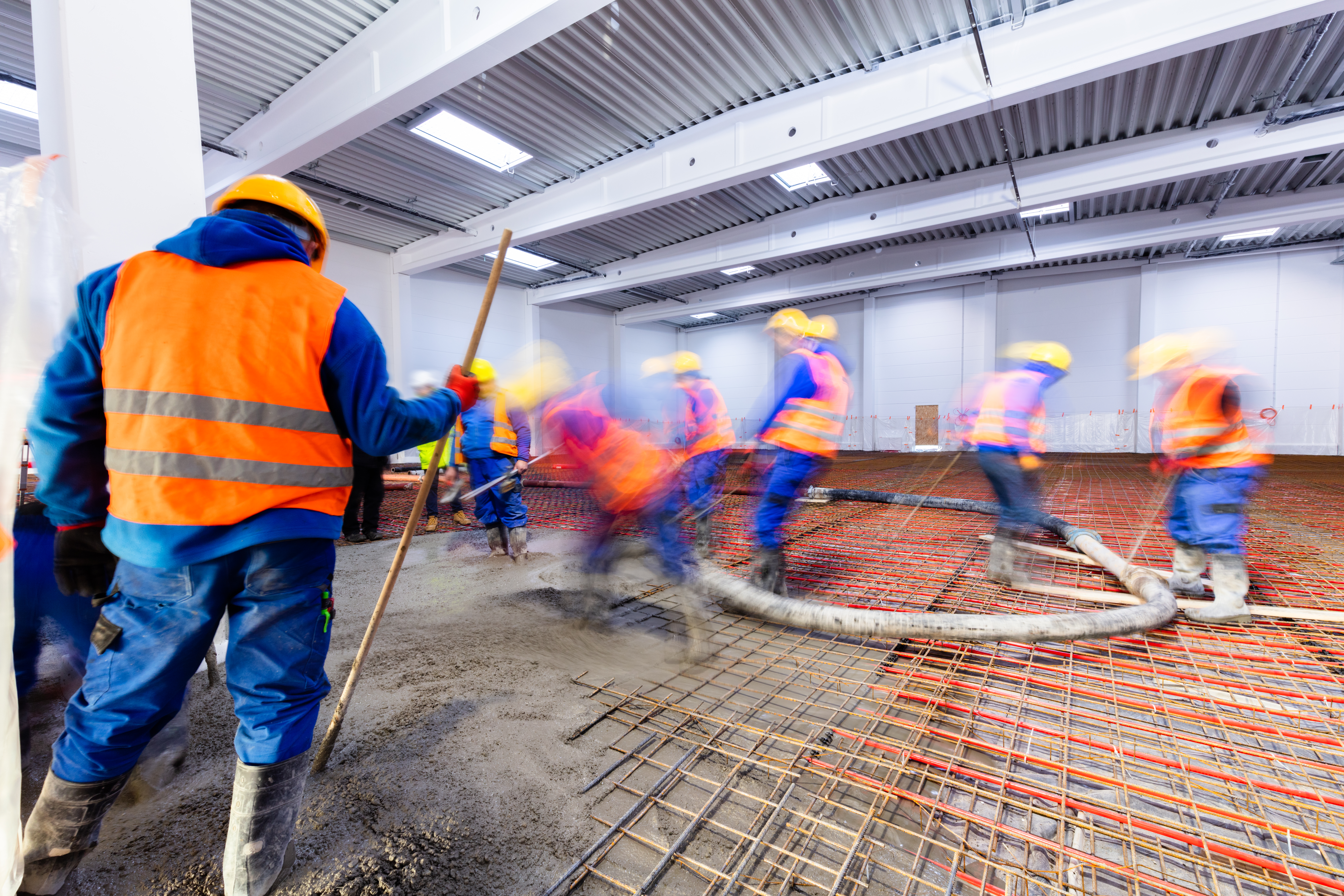
What You Should Know About Winter Concrete Curing Before Your Timelines Freeze
TL;DR: Concrete Curing & Supplemental Heat
- Prevent freezing: Supplemental heat stops concrete moisture from freezing, preventing catastrophic cracking and structural weakness.
- Accelerate timelines: Maintaining ideal ambient temperatures ensures concrete cures rapidly, avoiding expensive project delays and massive reworks.
- Use the right tech: Direct-fired heaters provide massive 100% efficient heat for open sites, indirect-fired heaters provide clean, dry heat for enclosed spaces, and radiant heaters warm surfaces directly without blowing dust.
What you should know about curing concrete during harsh winter months is that guessing your temperature parameters can completely destroy your profits and lead to catastrophic structural failures. Stop letting winter weather freeze your construction timelines. To safely and efficiently cure concrete in freezing conditions, project managers must deploy industrial portable heaters to maintain exact ambient temperatures, protect their materials, and keep their workforce productive. Here is exactly how to optimize your supplemental heating strategy.
Why Is Supplemental Heat Critical for Winter Concrete Pours?
Concrete does not simply “dry”; it cures through a delicate chemical reaction called hydration. This process requires strict, continuous temperature control. If the water inside poured concrete freezes before it fully cures, the material expands, causing the concrete to crack, lose its structural integrity, and require a massive, costly rework. Deploying portable industrial heaters ensures the ambient environment stays warm enough for this chemical hydration process to occur smoothly and efficiently, protecting both the foundation of your build and your project budget.
When Should You Use Direct-Fired Construction Heaters?
Direct-fired heaters are the ultimate solution when you need massive amounts of heat quickly in large, well-ventilated, open-air environments. Because the flame burns directly in the airstream, units like the Flagro F-1000T deliver massive amounts of BTUs with 100% thermal efficiency. They provide rapid heat transfer and fast warm-up times, making them the go-to portable heater for expansive, open-air concrete pours.
Why Are Indirect-Fired Heaters Mandatory for Enclosed Spaces?
If you are curing concrete in an enclosed space where air quality and moisture control are critical, indirect-fired heaters are an absolute necessity. Units like the Flagro FVO-400RC use a heat exchanger to safely vent combustion exhaust outside while ducting only clean, 100% dry, fume-free heat into the workspace. This ensures that toxic exhaust does not build up in enclosed indoor areas, maintaining strict safety standards and clean, breathable air while perfectly regulating your curing temperature.
How Do Radiant Heaters Accelerate Targeted Spot-Curing?
Radiant heaters use infrared light to heat objects and surfaces directly, rather than trying to warm the ambient air. This makes units like the Flagro FRHR-100P exceptional for targeted spot-curing. Because they do not rely on forced air, radiant heaters prevent dust and debris from circulating across wet concrete. Furthermore, they are incredibly wind-resistant, making them highly efficient for outdoor, “line-of-sight” warming where traditional forced-air heat would simply blow away.
Keep Your Winter Projects on Schedule and Under Budget
Don’t let the harsh winter weather throw your projects off schedule. Secure rugged, high-capacity portable industrial heaters today from TEMP-AIR® Equipment Sales. Call us today at 1-888-535-8841, or visit our website to discuss your project needs and get answers from our experts.
Frequently Asked Questions
Question: Why do I need a portable heater for concrete curing?
Answer: Concrete requires strict temperature control to cure properly through a chemical process called hydration. If ambient temperatures drop below freezing, the water inside the mix expands, causing the concrete to crack and fail, which ruins the structural integrity of the project and necessitates expensive reworks.
Question: What is the difference between direct-fired and indirect-fired construction heaters?
Answer: Direct-fired heaters release their combustion flame directly into the airstream, offering 100% thermal efficiency for well-ventilated outdoor sites. Indirect-fired heaters use a heat exchanger to safely vent toxic exhaust outside, pumping only clean, fume-free, dry air into enclosed indoor spaces.
Question: Can I use radiant heaters for winter construction?
Answer: Yes, radiant heaters are incredibly efficient for targeted outdoor work because they use infrared light to heat objects and surfaces directly. This prevents the wasted energy of trying to warm ambient air that easily blows away in the wind, making them perfect for targeted masonry or concrete spot-drying.